
Products
Products
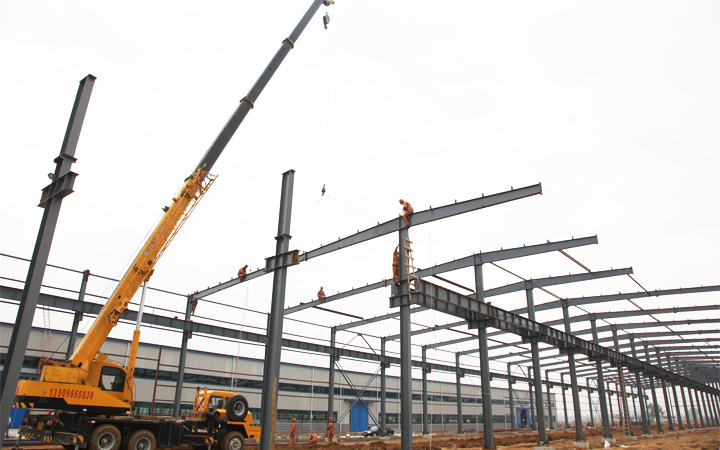
Single-story Steel Structure Workshop
Advantages of Light Steel Structures
Excellent performance and strong deformability
The self-weight of light steel buildings is only one-fifth of brick-concrete structures. They can withstand hurricanes with wind speeds up to 70 meters per second, providing effective protection for lives and property.
Durability
Light steel residential structures are entirely composed of cold-formed thin-walled steel components. The steel frames are made of super anti-corrosion high-strength cold-rolled galvanized sheets, which effectively prevent steel plate corrosion during construction and service and extend the service life of light steel components. The structural service life can reach 100 years.
Thermal insulation performance
Glass fiber wool serves as the primary thermal insulation material with outstanding heat preservation and insulation effects. External wall insulation boards eliminate the "thermal bridge" effect of walls for superior thermal performance. Approximately 100 mm thick R15 thermal insulation wool delivers thermal resistance equivalent to a 1-meter-thick brick wall.
Sound insulation performance
Sound insulation is a vital indicator for residential evaluation. All windows fitted in light steel systems adopt hollow glass with sound insulation exceeding 40 decibels. Walls assembled with light steel keels, thermal insulation materials and gypsum boards achieve sound insulation up to 60 decibels.
Eco-friendliness & health
Dry construction methods reduce environmental pollution from construction waste. All steel structural materials of the house can be 100% recycled, and most auxiliary matching materials are also recyclable, complying with modern environmental protection concepts. All adopted materials are green building materials that meet ecological requirements and are harmless to human health.
High comfort
Light steel walls adopt a high-efficiency energy-saving system with moisture-regulating air permeability to adjust indoor humidity. The ventilated roof creates an air circulation layer in the attic, meeting ventilation and heat dissipation demands inside the roof assembly.
 Internet Security Filing (Anhui PSB): No. 34088102000133